Blockchain Beyond Cryptocurrency: The Trust Machine
When most people hear “blockchain,” they think of Bitcoin, cryptocurrency, and speculative trading. But blockchain technology is far more than the foundation for digital money. It represents a fundamental innovation in how trust is established and maintained in distributed systems, with potential applications reaching into nearly every sector of the economy and society.
Blockchain Beyond Cryptocurrency: The Trust Machine
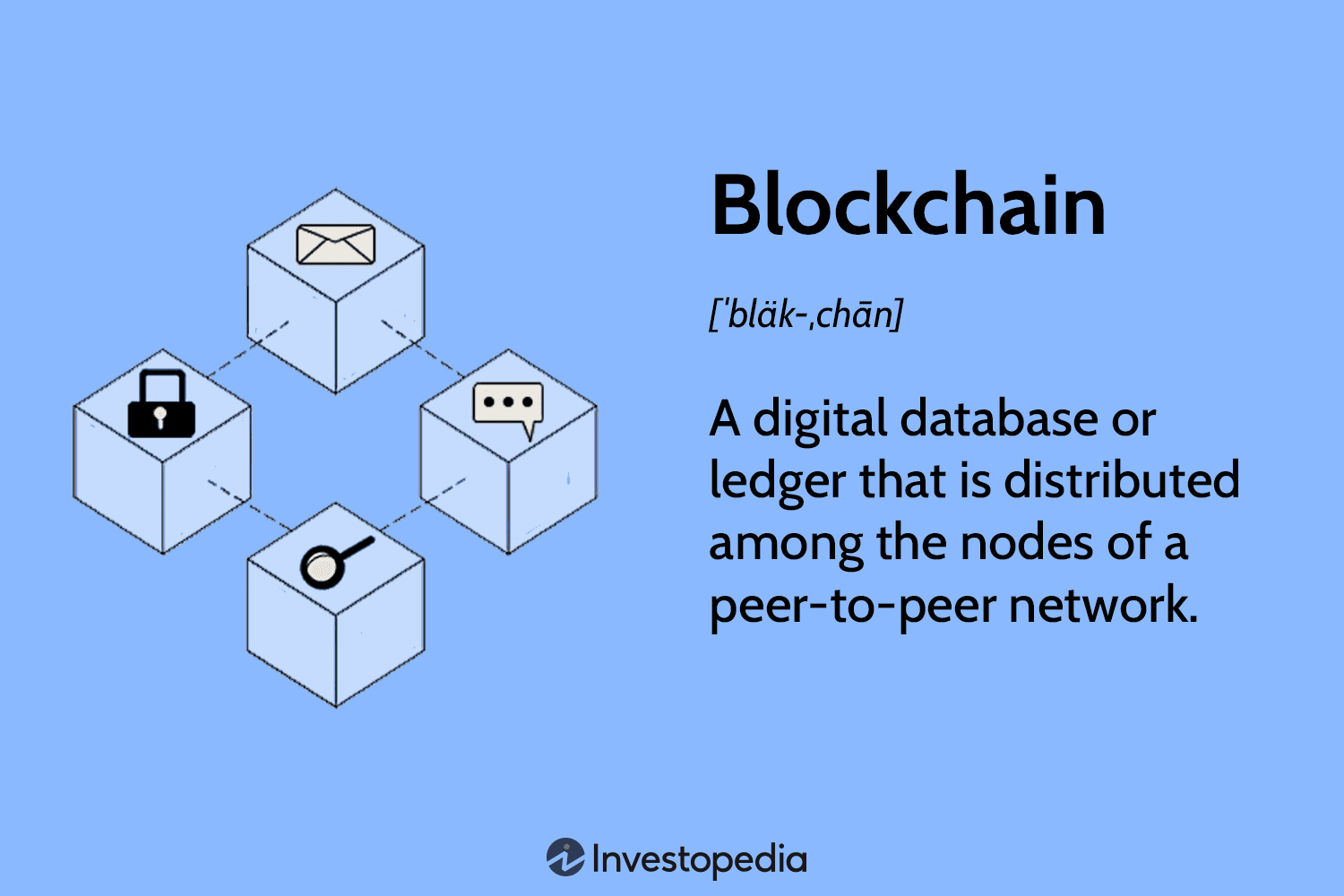
At its core, a blockchain is a distributed, immutable ledger. Transactions are grouped into “blocks” and cryptographically linked to form a “chain.” The ledger is maintained not by a central authority but by a network of participants who collectively validate new entries through consensus mechanisms. Once recorded, data cannot be altered retroactively without controlling a majority of the network’s computational power, which becomes increasingly impractical as the network grows. This creates a system where trust is established through mathematics and cryptography rather than through intermediaries.
The implications extend far beyond finance. In supply chains, blockchain can provide end-to-end visibility and authenticity verification. A consumer could scan a QR code and trace a product from raw material through manufacturing, shipping, and retail, verifying that claims about organic ingredients, fair labor, or sustainable sourcing are genuine. Counterfeit goods become harder to pass off as authentic when every transfer is recorded immutably.
In healthcare, blockchain could give patients control over their medical records while enabling secure sharing with providers. Individuals could grant temporary access to specific data for a particular consultation, with every access logged transparently. Research could access aggregated, anonymized data across populations with patient consent, accelerating medical discovery while preserving privacy.
In voting, blockchain offers potential for secure, verifiable elections. A voter could confirm that their vote was recorded correctly without revealing whom they voted for. Tampering would be detectable because any alteration would break the cryptographic chain. While technical and logistical challenges remain, the promise of election integrity without centralized vulnerability is compelling.
In intellectual property and creative industries, blockchain enables new models of ownership and compensation. Artists can mint non-fungible tokens (NFTs) representing unique digital works, with smart contracts automatically directing royalties to creators whenever works are resold. Musicians can distribute directly to fans, with every stream tracked and compensated transparently.
In identity management, blockchain could give individuals self-sovereign identity, controlling their personal data rather than surrendering it to platforms. A digital credential proving age or citizenship could be presented without revealing unnecessary personal information, enhancing privacy while enabling verification.
Yet challenges abound. Scalability remains problematic; early blockchains process far fewer transactions per second than centralized systems. Energy consumption, particularly for proof-of-work consensus, has drawn justified criticism, though newer proof-of-stake systems dramatically reduce energy use. Regulatory uncertainty creates hesitation among potential adopters. User experience remains complex, limiting mainstream adoption.
The hype cycle has undoubtedly inflated expectations, but beneath the speculation lies genuine innovation. Blockchain is not a solution for every problem, but for situations requiring trust among untrusted parties, transparency without central authority, or verifiable provenance, it offers something genuinely new. As the technology matures and practical applications emerge, the “trust machine” may yet transform how we coordinate, transact, and collaborate.