How Democracy Works
Democracy, from Greek demos (people) and kratos (rule), means government by the people. In practice, modern democracies are representative: citizens elect officials to make decisions on their behalf. Understanding how this system functions—its institutions, processes, and principles—is essential for meaningful participation.
How Democracy Works
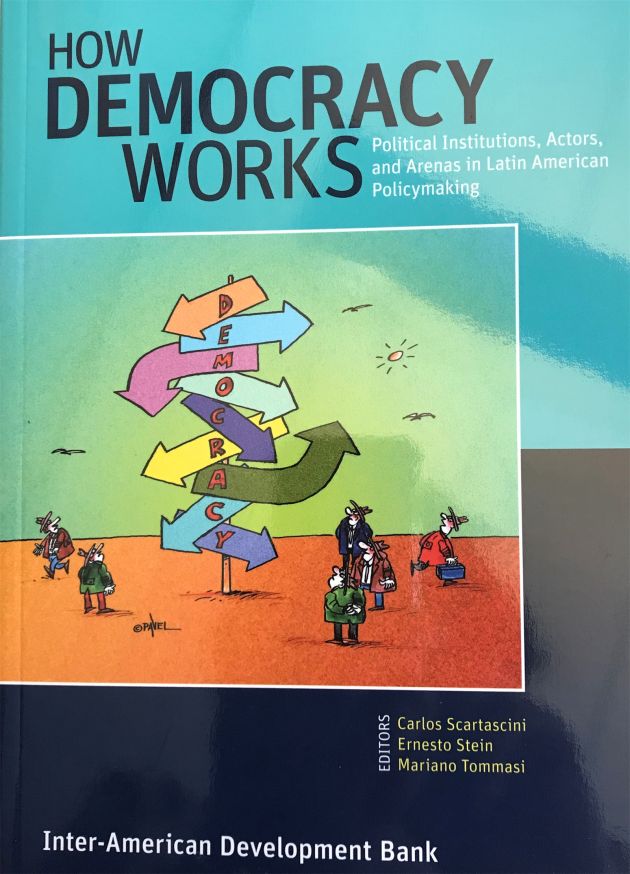
Core principles distinguish democracy from other systems. Popular sovereignty means ultimate authority rests with people. Political equality means each citizen’s voice carries equal weight. Majority rule with minority rights means decisions follow majority will while protecting fundamental rights of all. These principles require ongoing defense; democracies can erode from within.
Elections are democracy’s central mechanism. Regular, free, and fair elections allow citizens to choose representatives and hold them accountable. Secret ballots protect voters from coercion. Independent election administration ensures integrity. Universal suffrage means all adult citizens can vote, though historical exclusion of women, minorities, and non-property owners shows this principle was not always honored.
Separation of powers prevents concentration of authority. Typically divided among executive (enforces laws), legislative (makes laws), and judicial (interprets laws) branches, each checks the others. This system, designed to prevent tyranny, creates deliberate friction requiring compromise. Different democracies structure this separation differently; presidential systems like US differ from parliamentary systems like UK.
Legislatures represent diverse constituencies. Members debate, amend, and vote on legislation. Committees conduct detailed examination of proposals. Representation can be geographic (districts) or proportional (based on vote share). Each system has tradeoffs: geographic representation connects constituents to specific representatives; proportional representation ensures broader political diversity.
Executive power varies. Presidents, directly elected, serve fixed terms with significant independence. Prime ministers, chosen by legislature, depend on parliamentary confidence. Each model has strengths: presidential systems provide stability; parliamentary systems respond more flexibly to changing political configurations. Many democracies blend elements.
Judiciaries interpret laws and constitutions. Independent judges, insulated from political pressure, ensure decisions follow legal principles rather than popular sentiment. Judicial review allows courts to strike down laws violating constitutional principles. This counter-majoritarian power protects rights but can conflict with democratic will.
Rule of law means everyone, including government officials, must follow publicly disclosed laws enforced through established procedures. No one is above law. Predictable legal systems enable commerce, protect rights, and constrain arbitrary power. When rule of law weakens, democracy follows.
Civil liberties protect individual expression and association. Freedom of speech, press, assembly, and religion enable citizens to organize, criticize government, and advocate change. These rights are not absolute but essential. Independent media informs public and holds power accountable. Without these freedoms, elections become meaningless.
Political parties organize competition for power. They aggregate interests, recruit candidates, develop policy platforms, and mobilize voters. Party systems vary from two-party dominance to multipolar competition. While often criticized, parties are essential for structuring democratic choice. Their weakness often signals democratic distress.
Civil society includes organizations outside government—unions, advocacy groups, religious institutions, community organizations—that represent interests and enable collective action. Strong civil society checks government power and builds social capital. Its vitality correlates with democratic health.
Constitutions establish fundamental rules. They allocate powers, protect rights, and set amendment procedures. Written or unwritten, constitutions represent founding agreements about how political community will govern itself. Constitutional endurance requires both stability and adaptability; too rigid prevents necessary change; too flexible undermines predictability.
Challenges threaten contemporary democracies. Disinformation erodes shared factual basis for debate. Polarization prevents compromise. Economic inequality translates into political inequality. Foreign interference exploits divisions. Democratic backsliding occurs when elected leaders gradually undermine institutions. Recognizing these threats is first step toward defending democracy.
Citizenship in democracy requires engagement. Voting is minimal obligation. Beyond voting, staying informed, participating in community, holding officials accountable, and respecting opposing views sustain democratic culture. Democracy is not spectator sport; it requires active, informed citizens who understand both its principles and its fragility.